Original text here from Patrice Bernard (LinkedIn)
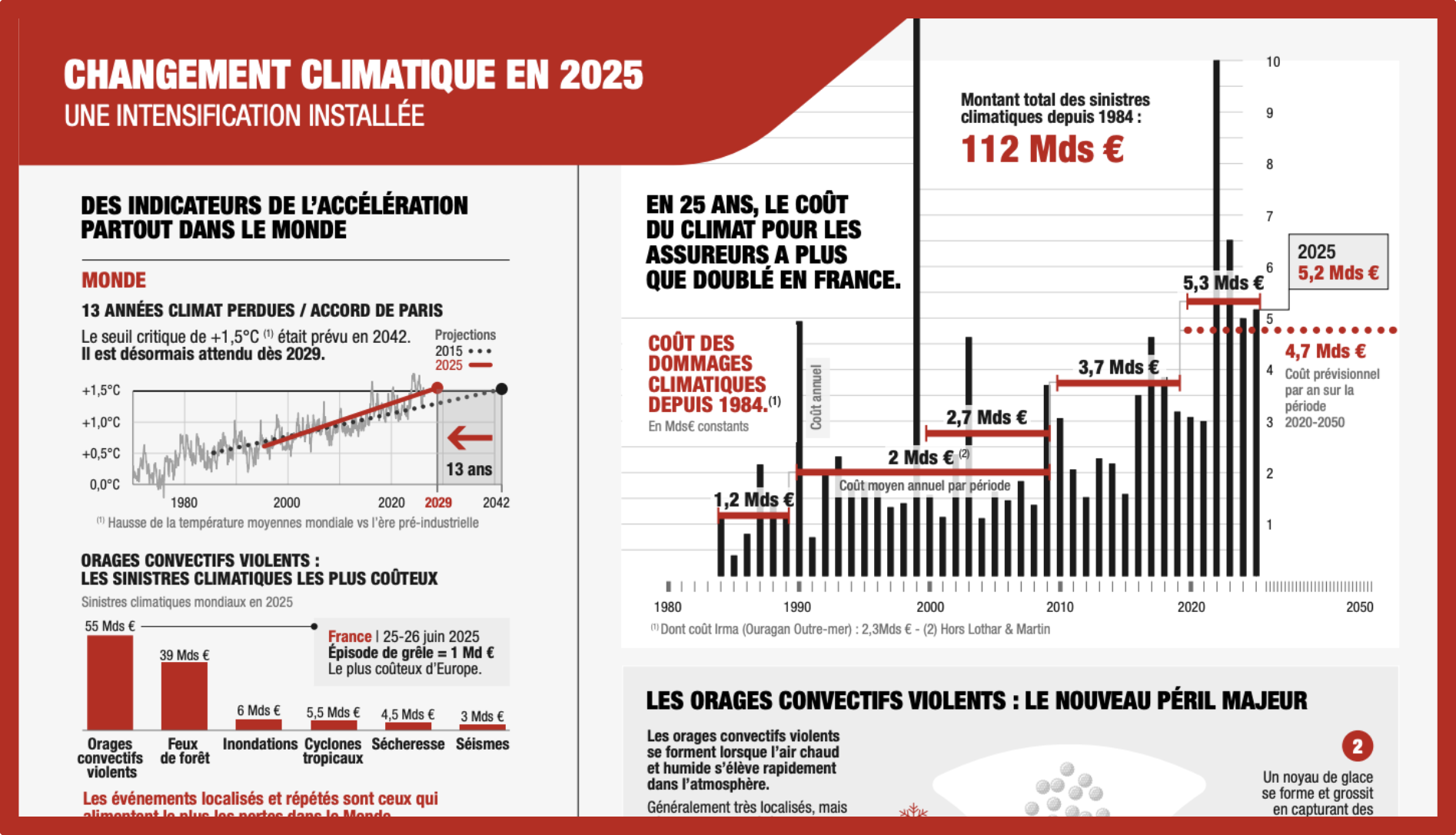
Parametric insurance is gradually becoming a preferred form of coverage for farmers against meteorological hazards, which are growing more frequent due to climate change. By now integrating it into its financing products, CNH Capital is charting a path toward another possible application of these mechanisms.
As it stands, the solution developed with BNP Paribas Leasing Solutions — its historic joint-venture partner — and in collaboration with the insurer Shepherd Compello and reinsurer Swiss Re, is designed to offer clients automatic compensation equal to one monthly payment on their contract (once per year at most) when predetermined conditions are met. These conditions relate to drought or flood events, in terms of intensity and duration, using reference data from independent providers.
Subscribe to our newsletter:
The service will be deployed gradually starting this February in Spain, where, of course, climate warming has particularly dramatic impacts. Its distribution is then expected to extend to the rest of Europe during 2026. Furthermore, the underlying promise of the offer is no surprise: it aims to help the lender’s clients weather periods during which their cash flow suffers from enforced inactivity (which, for example, immobilizes agricultural equipment financed through CNH Capital) by giving their accounts a boost.
Using a parametric system adds simplicity to this base, especially in claims handling: the policyholder doesn’t have to take any action. The compensation process kicks in without any intervention on their part as soon as the stipulated criteria reach the contractual values (ideally, no human action should be required at any point — even on the insurer’s side… but reality is sometimes slightly different).
It is clear that the scheme designed by CNH essentially represents a situational juxtaposition of financing and insurance products. But it seems conceivable to go further and build a closer combination of the two. Beyond the idea of temporarily relieving the cash flow of a credit or lease beneficiary during a difficult period for their business, couldn’t the terms of their repayments be adjusted directly in those circumstances?
With different levels of premium, one could imagine developing — still using automated parametric triggers — variants of coverage that might, for example, range from full coverage of monthly payments over longer or shorter durations to a simple deferment or a possibility to reschedule the debt. The principle would remain unchanged, but protection would be better contextualized to the client’s actual needs.